How to Use a State Pest Control Directory to Find Trusted Exterminators
When you discover termite damage in your basement or spot a bed bug in your hotel room after a trip, the immediate instinct is to grab your phone and search for an exterminator. But finding the right pest control service is not just about speed. It is about safety, legality, and effectiveness. Every state has its own rules for who can apply pesticides, and hiring someone without the proper credentials can put your family at risk and leave your infestation unresolved. That is where a good state pest control directory becomes essential.
I have spent years working alongside pest control operators and homeowners, and I have seen the difference between a company that follows Integrated Pest Management principles and one that just sprays and walks away. A reliable directory does more than list names. It helps you verify pesticide licenses, check for complaints, and confirm that the company is insured. Whether you need mosquito control for your backyard or fumigation for a commercial building, starting with a vetted directory saves time and prevents costly mistakes.
Why a State Pest Control Directory Matters
Every state pesticide regulatory agency maintains a list of licensed applicators and companies. But those lists are often buried in government websites, hard to search, and rarely updated with consumer reviews. A dedicated state pest control directory consolidates that information in one place. It lets you search by city, service type, or company name. You can quickly see if a local pest control company holds a valid pesticide license and has the proper pest certification for the job you need.
For example, if you need termite treatment in Florida, you want a company that specializes in structural pest control and carries the right insurance. A directory that filters by license type and years in business is far more useful than a generic search engine result. It also protects you from unlicensed operators who might use unapproved chemicals or skip pest inspection steps. The Environmental Protection Agency sets guidelines for pesticide use, but enforcement happens at the state level. That is why checking a directory before you hire is a smart move.
What to Look for in a Pest Control Service
Not all pest control services are the same. Some focus on residential rodent control, while others specialize in industrial fumigation or green pest control. When you use a state pest control directory, pay attention to the following:
- License and certification: Confirm the company and its pesticide applicator hold current credentials from the state pesticide regulatory agency.
- Insurance and bonding: A reputable pest control operator carries liability insurance and workers' compensation.
- Experience with your specific pest: Bed bug extermination requires different methods than mosquito control or termite treatment.
- Customer reviews and complaint history: Check if there are unresolved complaints with the state or the National Pest Management Association.
- Treatment approach: Ask if they use Integrated Pest Management, which emphasizes prevention and targeted treatments over broad spraying.
I once helped a friend who hired a company for rodent control without checking their license. The company set traps incorrectly and left poison where pets could reach it. A quick lookup in a directory would have shown that their pesticide applicator certification had expired. That kind of oversight can lead to fines, health issues, and a pest problem that gets worse.
How a Directory Helps You Compare Companies
One of the hardest parts of hiring an exterminator is comparing apples to oranges. One company quotes a flat fee for a pest inspection and treatment plan, while another charges per room or per visit. A directory that includes service descriptions and customer ratings makes this comparison easier. You can see which companies offer green pest control options if that matters to you, or which ones have certified structural pest control specialists on staff.
The National Pest Management Association also provides resources for finding qualified professionals, but their directory is national and may not drill down to local specifics. A state-level directory gives you the ability to find a local pest control company that knows the pests common in your area. For instance, mosquito control in Texas is very different from mosquito control in Maine. The state pesticide regulatory agency in each region tests applicators on local pest biology and chemical regulations. That local knowledge matters when you need a long-term pest management plan rather than a one-time spray.
Using a Directory for Commercial Properties
Business owners face even higher stakes when it comes to pest control. A restaurant with a cockroach infestation can be shut down by the health department. A hotel with a bed bug problem can lose its reputation overnight. Commercial pest control requires a higher level of training, documentation, and accountability. A state pest control directory helps facility managers verify that a company holds the correct business licenses and has experience with commercial fumigation and food-safe treatments.
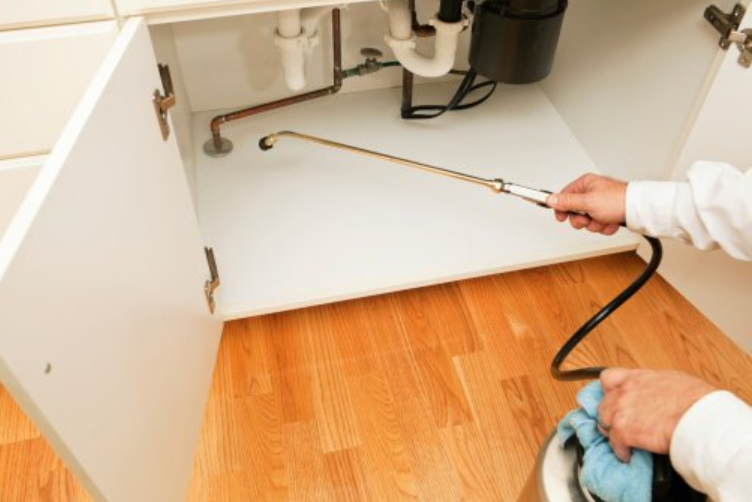
I have worked with property managers who keep a list of vetted exterminators on file, and they update that list every year using a directory. They look for companies that provide detailed reports after each service, follow Integrated Pest Management protocols, and respond quickly to emergencies. That kind of preparation pays off when an inspector walks in or when a tenant reports a problem.
Common Mistakes When Searching for Pest Control
Even with a directory, people make mistakes. The most common is choosing the cheapest quote without checking credentials. Another is assuming that a big national brand is always better than a local company. I have seen small, family-run pest control operators provide far more thorough service than large franchises, because they take the time to do a proper pest inspection and tailor their approach.
Another mistake is ignoring the fine print on the pest management plan. Some companies guarantee their work only if you sign a year-long contract. Others offer a one-time service but do not include follow-up visits. A directory that lists service details and contract terms helps you avoid surprises. It also lets you see which companies are members of the National Pest Management Association, which requires adherence to a code of ethics.
The Role of Integrated Pest Management
Integrated Pest Management, or IPM, is a science-based approach that focuses on long-term prevention. It includes pest inspection, monitoring, habitat modification, and the targeted use of pesticides only when other methods fail. Many state pesticide regulatory agencies encourage or even require IPM in schools and public buildings. When you search a state pest control directory, look for companies that advertise IPM. They are more likely to solve your problem without overusing chemicals.
For example, a green pest control company might use bait stations for rodent control instead of poison, or heat treatments for bed bug extermination instead of fumigation. These methods are safer for children, pets, and the environment. But they require trained pesticide applicators who understand pest biology. A directory that filters by IPM certification or green pest control services makes it easy to find those specialists.
Final Thoughts on Choosing the Right Exterminator
Pest control is not a one-size-fits-all industry. The right company for termite treatment may not be the right one for mosquito control. A state pest control directory helps you match the service to the problem. It also gives you peace of mind that the person entering your home or business has passed a state exam, carries insurance, and follows legal safety standards.
I recommend checking a directory every time you need service, even if you have used the same company before. Licenses expire, insurance lapses, and company ownership changes. A quick verification takes five minutes and can prevent a disaster. Whether you need a one-time pest inspection or an ongoing pest management plan, start with a directory that pulls information directly from state records. That is the closest you can get to a guarantee that the exterminator you hire is qualified, insured, and ready to do the job right.
Ends · STATEPESTCONTROLREPORT